The Ultimate Guide to Choosing Performance Socks for Your Workout
By Archiesfootwearshop | Published: 2026-05-23
Category: How-to Guides
Discover how to pick the best performance socks for exercise. From moisture-wicking materials to arch support, this guide covers everything you need for a comfortable workout.
When it comes to gearing up for a workout, most people focus on shoes, shorts, and tops—but few pay attention to what goes between their feet and their sneakers: performance socks. The right pair of socks can make the difference between a blister-free, comfortable run and a session cut short by discomfort. In this guide, we’ll walk you through everything you need to know about choosing the best performance socks for your workout, including materials, cushioning, fit, and special features like toe socks and arch support.
Why Performance Socks Matter for Your Workout
Performance socks are not just regular socks with a fancy label. They are engineered to address specific needs during exercise: moisture management, blister prevention, temperature regulation, and support. Whether you’re lifting weights, running on pavement, or practicing yoga, the socks you wear directly affect your foot health and overall performance. Poor sock choices can lead to sweaty, slippery feet that cause blisters, hot spots, and even fungal infections. Investing in quality athletic socks is a small step that pays big dividends in comfort and longevity.
Key Features to Look for in Workout Socks
1. Moisture-Wicking Fabrics
Cotton socks might feel soft, but they absorb sweat and stay wet, leading to friction and blisters. Look for performance socks made from synthetic blends like polyester, nylon, or merino wool. These materials wick moisture away from your skin, keeping your feet dry and cool. Moisture-wicking socks also help control odor and reduce the risk of athlete’s foot. Always check the label for “performance” or “moisture-wicking” claims.
2. Cushioning and Padding
Workout socks come in various cushion levels: light, medium, and heavy. For high-impact activities like running or HIIT, look for socks with extra padding in the heel and forefoot. This absorbs shock and reduces pressure on your joints. For weightlifting, thinner socks may be better for a closer feel to the ground. Some brands offer targeted cushioning zones, so you can choose based on your primary activity.
3. Arch Support and Compression
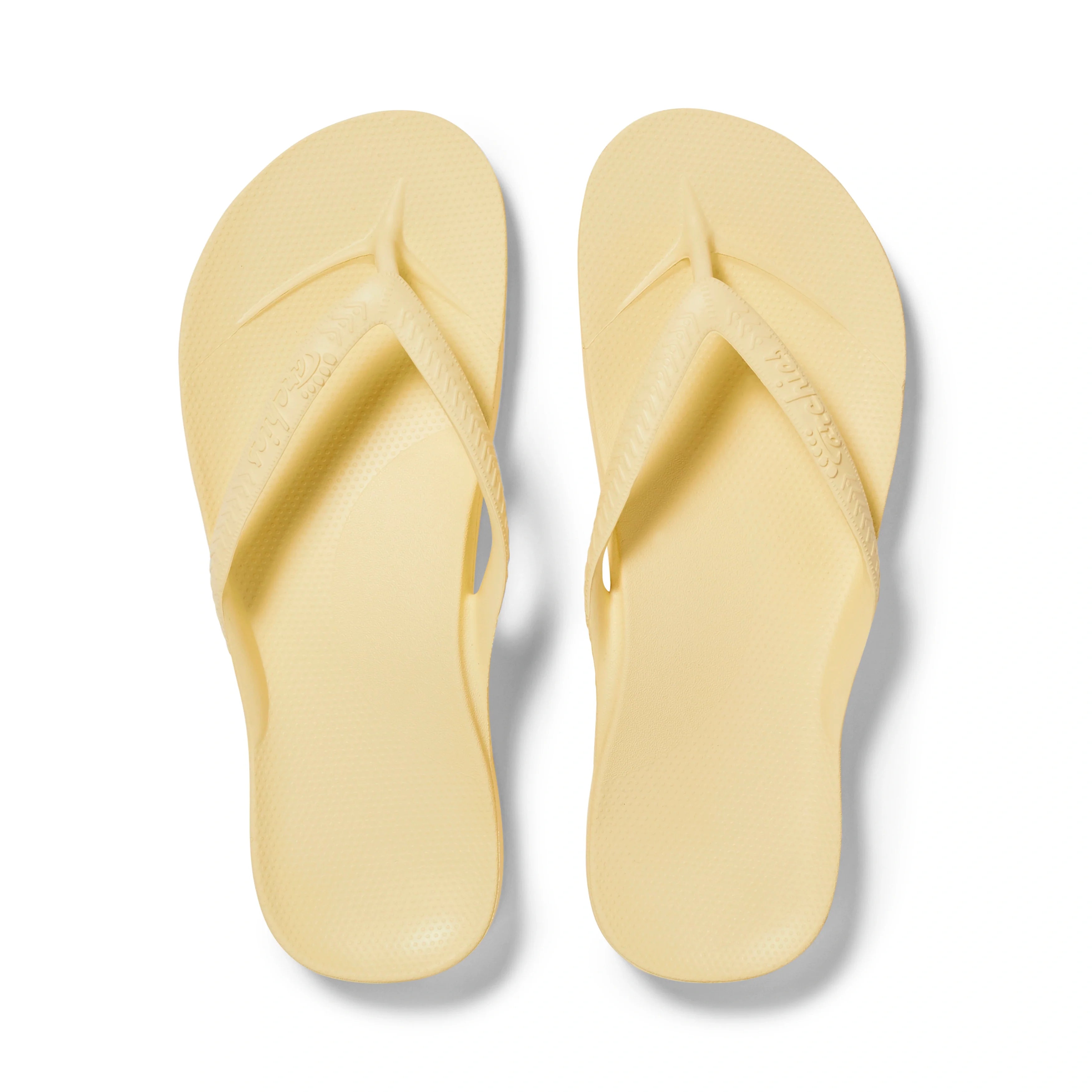
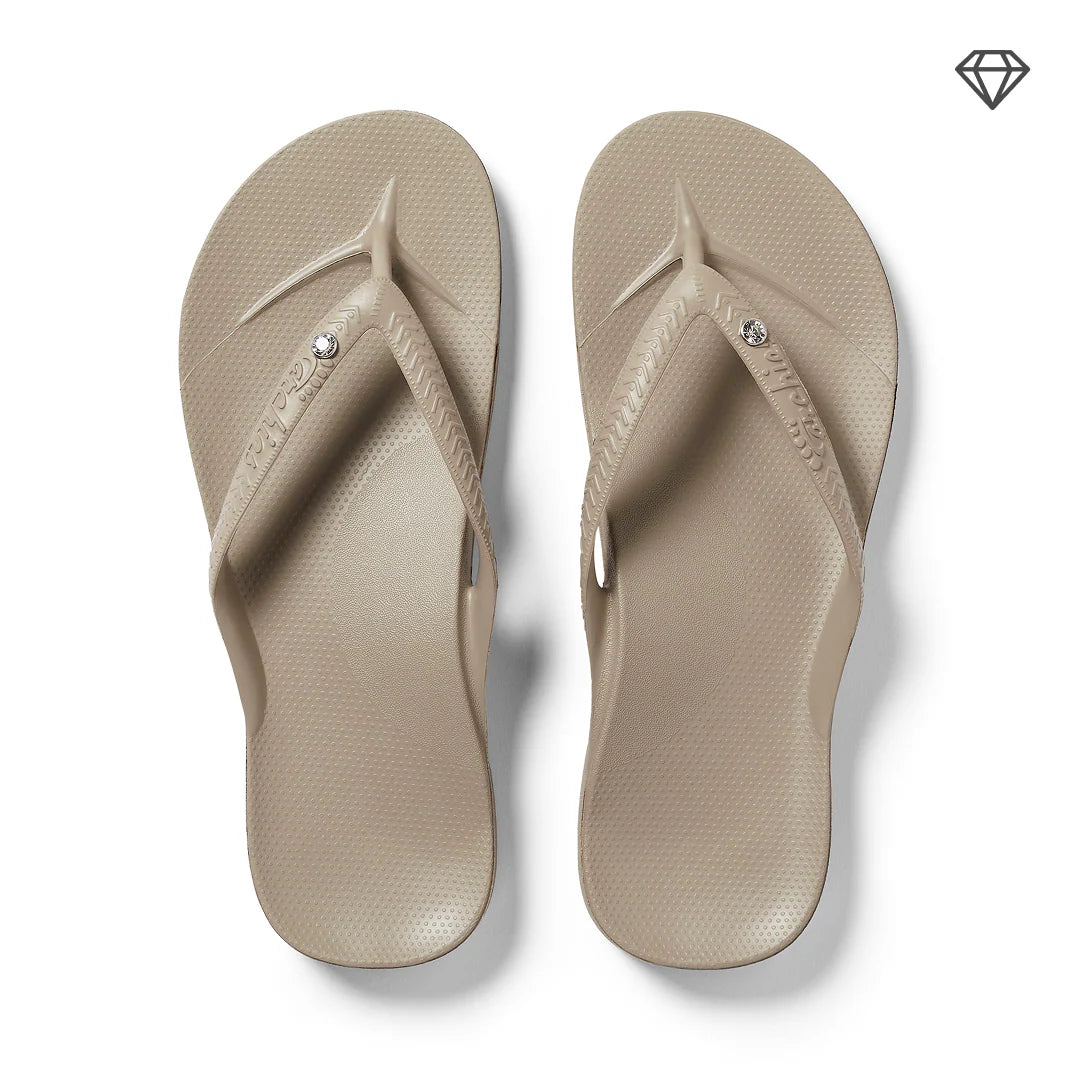
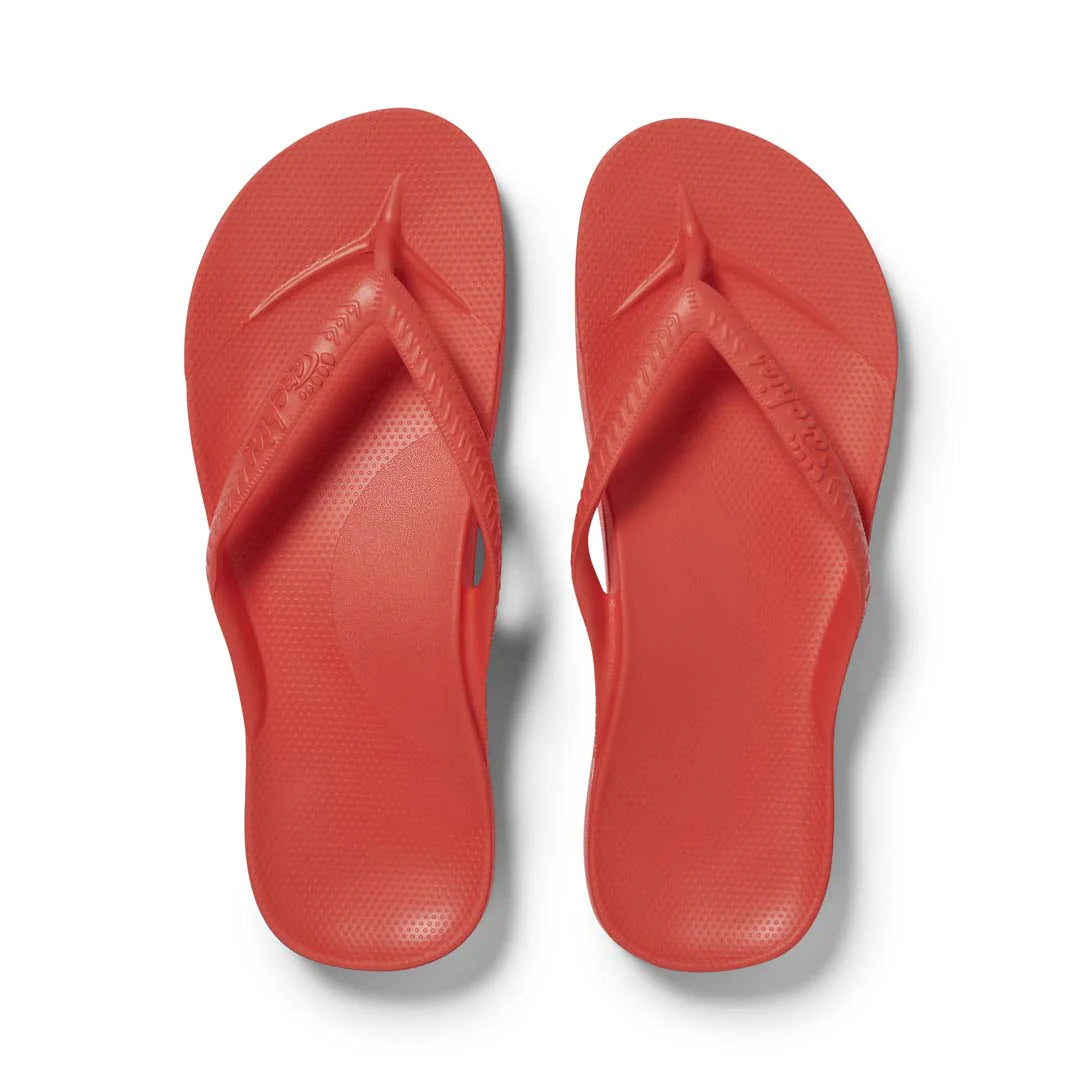
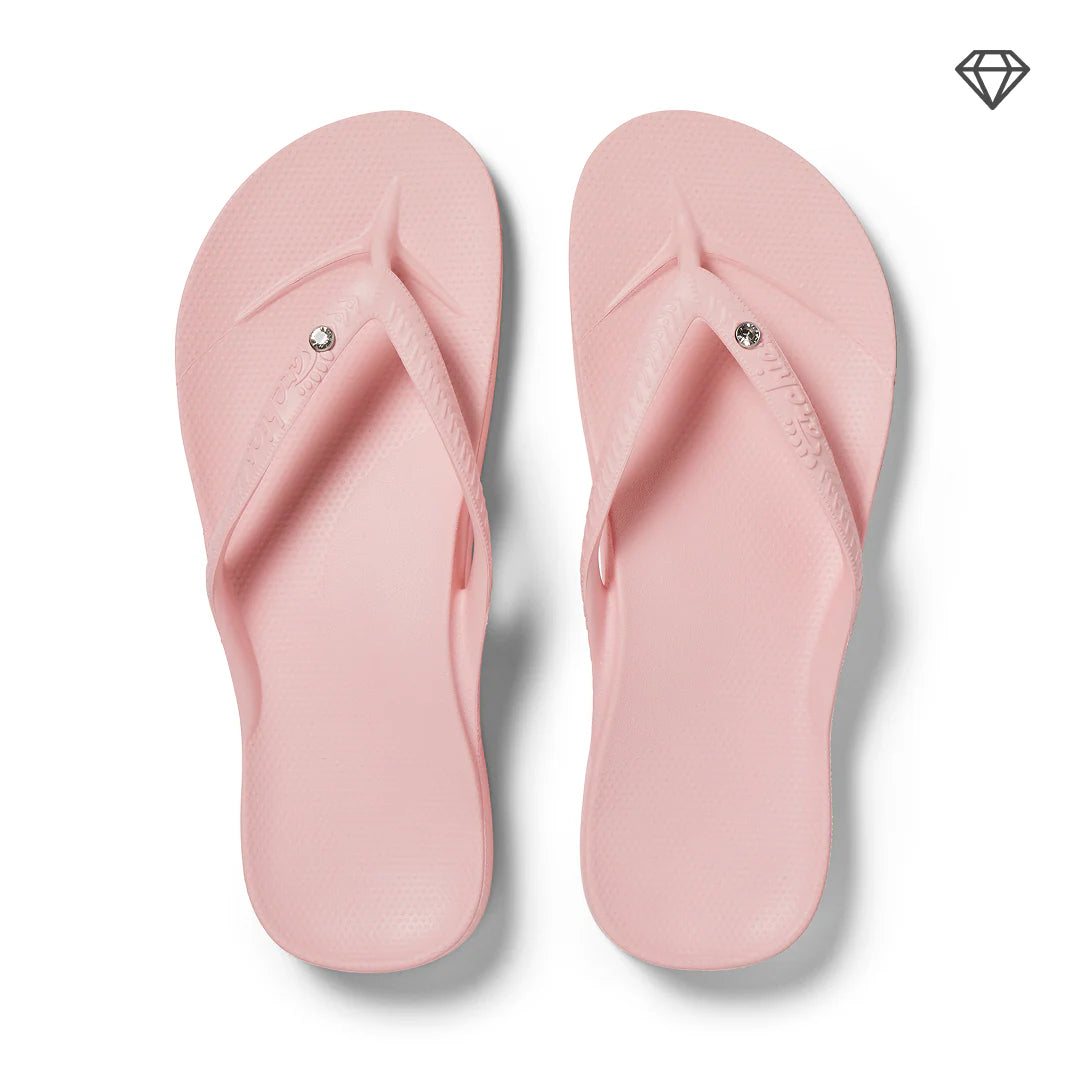
Many performance socks include built-in arch support or mild compression. This helps stabilize the foot, reduce fatigue, and improve circulation during long workouts. If you have flat feet or a tendency toward plantar fasciitis, socks with arch support can be a game-changer. For example, pairing your socks with supportive footwear like the Arch Support Slides - Classic - Tan or the Arch Support Flip Flops - Classic - Black can provide a complete foot care system even after your workout.
4. Toe Socks for Better Toe Alignment
Toe socks, which separate each toe individually, are gaining popularity among athletes. They allow your toes to splay naturally, improving balance and reducing friction between toes. This can prevent blisters and even help with conditions like bunions. If you’re a runner or someone who values natural foot mechanics, consider trying the Performance Toe Socks - White. They offer excellent moisture wicking and a snug fit that mimics barefoot movement.
5. Seamless Toe Construction
A poorly placed seam can rub against your toes and cause painful blisters. Many high-quality performance socks feature seamless toe closures—either flat seams or no seams at all. This reduces irritation and ensures a smooth fit inside your shoe. Check the toe area when shopping; if you can feel a bulky seam, move on.
6. Height and Fit
Workout socks come in various heights: no-show, ankle, crew, and knee-high. Choose based on your activity and personal preference. For example, no-show socks are great for casual gym sessions or wearing with low-top sneakers, while crew-height socks offer more coverage and are often required for some sports. Make sure the socks have a snug heel pocket and don’t bunch up, as bunching can cause irritation.
How to Match Socks to Your Workout Type
Running and Cardio
For running, prioritize lightweight, moisture-wicking socks with moderate cushioning. Look for socks that stay put and don’t slide down into your shoe. Toe socks can be especially beneficial here because they prevent toes from rubbing together. Many runners also prefer compression socks for better blood flow during long distances.
Weightlifting
When lifting heavy, you want a close connection to the ground. Opt for thinner, low-cushion socks that allow you to feel the floor. Flat seams and a snug fit are critical to avoid distractions during heavy lifts. Some lifters also like socks that cover the shin to protect against barbell scrapes.
Yoga and Pilates
In these activities, grip matters. Look for socks with silicone grips on the sole to prevent slipping on your mat. Light cushioning and moisture-wicking fabric keep your feet comfortable. Toe socks are also popular in yoga because they allow natural toe spread for balance.
CrossFit and HIIT
These workouts combine multiple movements, so you need versatile socks. Medium cushioning works well for both jumping and lifting. Look for socks with reinforced heels and toes for durability, as well as arch support for stability. A crew height is common to protect your ankles during rope climbs.
Material Comparison Table
| Material | Pros | Cons | Best For |
|---|---|---|---|
| Polyester | Lightweight, quick-drying | Can retain odors | Running, gym |
| Nylon | Durable, stretchy | Less breathable | Weightlifting |
| Merino Wool | Natural moisture wicking, odor control | Expensive, slower drying | Long runs, cold weather |
| Cotton (avoid) | Soft, cheap | Absorbs moisture, causes blisters | Not recommended |
Care Tips for Performance Socks
To extend the life of your athletic socks, wash them in cold water and avoid fabric softeners, which can clog moisture-wicking fibers. Air drying is best—high heat can damage elastic and shrink materials. Rotate multiple pairs so you don’t wear the same socks two days in a row, allowing them to fully dry and maintain their shape.
When to Replace Your Workout Socks
Like any gear, performance socks wear out. Signs it’s time to replace them include thinning fabric, loss of elasticity, persistent odor even after washing, or visible holes. Most high-quality socks last 6–12 months with regular use. Don’t wait for a blister to remind you—invest in fresh pairs for peak performance.
Putting It All Together: Your Sock Shopping Checklist
- Choose moisture-wicking material (polyester, nylon, or merino wool)
- Match cushion level to your activity (light for lifting, medium for running)
- Look for arch support if you have foot issues
- Consider toe socks for natural toe alignment
- Ensure seamless toe construction
- Pick the right height for your workout
Final Thoughts
Choosing the right performance socks for your workout is a simple upgrade that can dramatically improve your comfort and foot health. Whether you’re hitting the gym, the track, or the yoga studio, the right pair of socks will keep you focused on your training instead of your feet. Pair your new socks with supportive footwear like the Arch Support Flip Flops - Classic - Charcoal for post-workout recovery, and you’ll be set for success.
Ready to upgrade your workout gear? Explore our collection of performance socks and arch-support footwear. Start with the Performance Toe Socks - White to experience the difference toe separation makes, and step into your next workout with confidence.