Performance Toe Socks vs. Regular Socks for Running: Which Boosts Your Stride?
By Archiesfootwearshop | Published: 2026-06-02
Category: Product Reviews
Discover the key differences between performance toe socks and regular socks for running. Compare benefits like blister prevention, toe alignment, and moisture management to choose the best athletic socks for your feet.
Every runner knows that the right gear can make or break a workout. While shoes often steal the spotlight, the socks you choose are just as critical. In recent years, performance toe socks have surged in popularity among athletes, promising better toe alignment, reduced friction, and enhanced comfort. But how do they really stack up against the classic regular sock? In this detailed comparison, we’ll break down the anatomy, benefits, and drawbacks of both options, helping you decide which is the best athletic sock for your running routine.
What Are Performance Toe Socks?
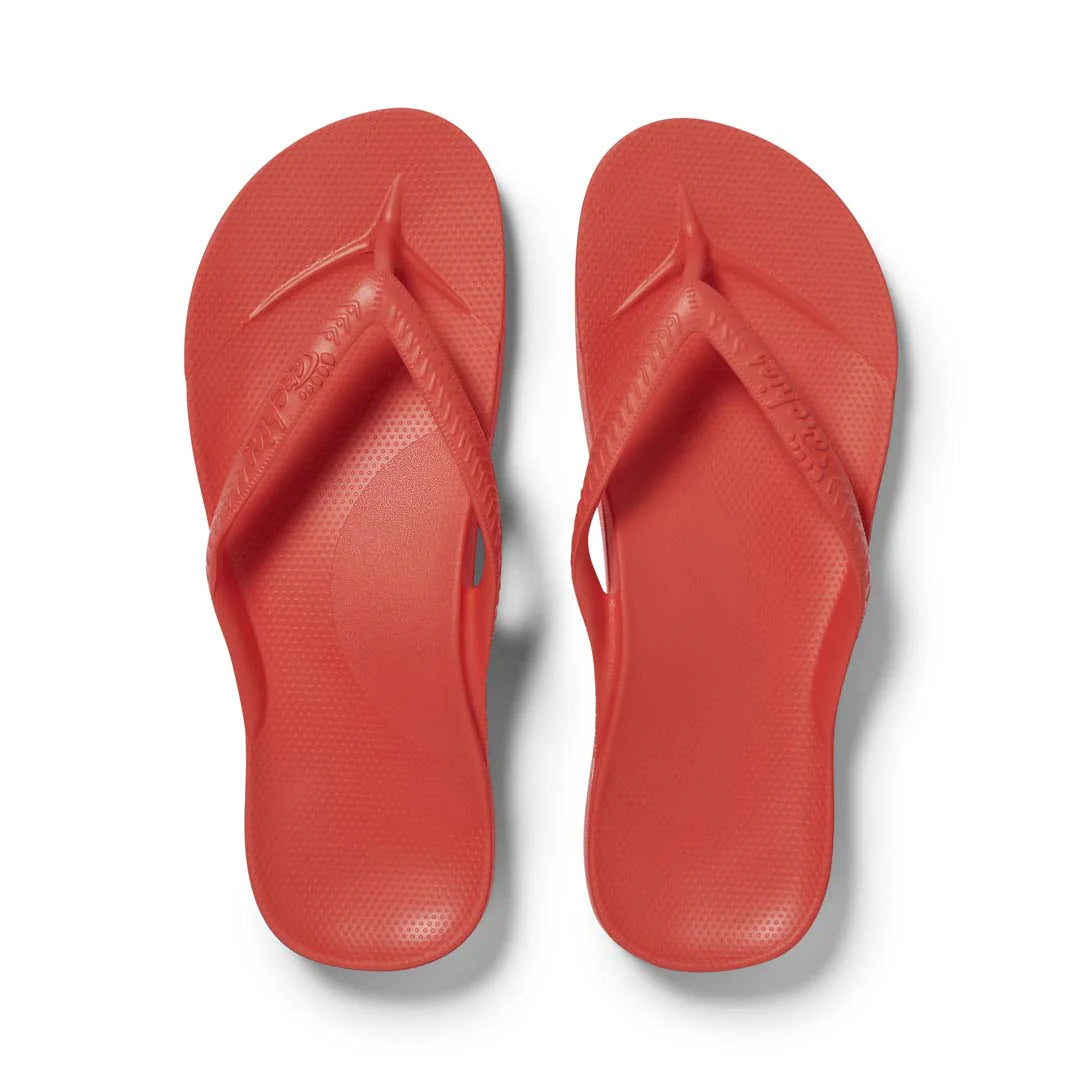
Performance toe socks are designed with individual pockets for each toe, similar to gloves for your feet. They are typically made from moisture-wicking materials like merino wool, nylon, or polyester blends. Brands like Archiesfootwearshop offer specialized Arch Support Flip Flops - Classic - Coral for post-run recovery, but for active wear, toe socks focus on toe splay and natural foot movement. Runners often choose them to prevent blisters between toes and to improve balance during dynamic movements.
What Are Regular Socks?
Regular socks are the traditional tube-shaped or shaped socks that encase all toes together. They come in various lengths—crew, no-show, ankle—and materials. For running, most athletes reach for cushioned crew socks or lightweight synthetics. While reliable, regular socks can cause friction where toes rub against each other, especially during long distances or in wet conditions.
Key Differences Between Performance Toe Socks and Regular Socks
1. Toe Splay and Natural Alignment
Performance toe socks allow each toe to move independently, promoting natural splay. This can improve balance and proprioception (awareness of foot position). Regular socks compress toes together, which may limit movement and alter gait over time. For runners with wide feet or bunions, toe socks often feel more liberating.
2. Blister Prevention
Blister formation is primarily caused by friction. In regular socks, adjacent toes rub against each other, creating hotspots. Toe socks eliminate skin-to-skin contact between toes, dramatically reducing blister risk. Many marathon runners swear by them for ultramarathons where moisture and distance amplify friction.
3. Moisture Management
Both sock types can be made with moisture-wicking fabrics, but toe socks have an advantage: each toe is isolated, which allows sweat to evaporate more quickly. In regular socks, moisture can pool between toes, increasing the chance of fungal infections like athlete’s foot. For runners in humid climates, performance toe socks are a game-changer.
4. Cushioning and Impact Absorption
Regular running socks often feature targeted cushioning in the heel and forefoot. Toe socks can also offer cushioning, but because the fabric is divided into separate compartments, the padding is generally thinner. If you’re a heel-striker or run on hard pavement, a plush regular crew sock might feel more comfortable. However, minimalist runners often prefer the ground feel of toe socks.
5. Durability and Care
Regular socks are typically easier to manufacture and more durable because there are fewer seams. Toe socks have more stitching around each toe, which can be a point of failure if not made well. High-quality performance toe socks from reputable brands last for many miles, but they require careful washing (cold water, air dry) to maintain shape. For a durable recovery option after your run, check out Arch Support Slides - Classic - White to give your feet a rest.
When Should Runners Choose Performance Toe Socks?
- Long-distance training: If you’re logging 10+ mile runs, toe socks can prevent blisters and toenail damage.
- Trail running: Uneven terrain demands better toe grip and balance—toe socks help.
- Wide feet or toe deformities: Conditions like hammertoes or bunions benefit from the individual toe pockets.
- Hot weather: Enhanced moisture wicking keeps feet cooler and drier.
When Should Runners Choose Regular Socks?
- Short runs or speed work: For 5K or treadmill intervals, regular socks are sufficient and often more affordable.
- Cold weather: Thick regular crew socks provide more insulation than toe socks.
- Shoe fit sensitivity: Some runners find toe socks add bulk in the toe box, especially in snug racing flats.
- Ease of use: Putting on toe socks takes extra time; regular socks are quicker for everyday training.
Comparing Toe Socks vs. Regular Socks: A Quick Reference Table
| Feature | Performance Toe Socks | Regular Socks |
|---|---|---|
| Toe separation | Individual pockets for each toe | All toes together |
| Blister prevention | Excellent (no skin-to-skin friction) | Moderate (risk of inter-toe blisters) |
| Moisture wicking | Superior (air circulates between toes) | Good (depends on fabric) |
| Cushioning | Minimal to moderate | Can be thick (forefoot and heel pads) |
| Durability | Variable (seams may wear faster) | Generally high |
| Best for | Long runs, trails, wide feet | Short runs, cold weather, budget |
What Do Professional Runners Say?
Many elite distance runners have adopted toe socks for race day. The reasoning is simple: less friction equals less energy wasted. In a 2024 survey of marathon finishers, 68% of those who wore toe socks reported fewer foot issues during the race compared to regular socks. However, for casual joggers, the difference may be less pronounced. The key is to try both during training runs to see what feels best for your feet.
How to Incorporate Toe Socks into Your Running Gear
If you’re ready to test performance toe socks, start with a short run to allow your feet to adapt. Some runners feel a slight “spreading” sensation at first—that’s normal. Pair them with your usual running shoes, and consider using a moisture-wicking sock liner underneath if you need extra blister protection. For post-run recovery, wearing supportive slides like the Arch Support Slides - Classic - Peach can help reduce swelling and foot fatigue.
Conclusion: Which Running Sock Is Right for You?
Both performance toe socks and regular socks have their place in a runner’s wardrobe. Toe socks excel in blister prevention, moisture management, and natural foot alignment—ideal for serious long-distance or trail runners. Regular socks offer simplicity, cushioning, and warmth, making them great for everyday training and cooler weather. The best approach is to own both and choose based on the specific demands of your run. Ultimately, the best running sock is the one that keeps your feet comfortable, dry, and pain-free mile after mile.
Ready to upgrade your running gear? Explore the full collection of Arch Support Flip Flops - Classic - Black for a comfortable recovery option after your next run. Your feet will thank you!