Performance Toe Socks for Hiking: A Beginner's Guide to Blister Prevention
By Archiesfootwearshop | Published: 2026-06-18
Category: How-to Guides
Discover how performance toe socks can prevent blisters during hiking. This beginner's guide covers fit, materials, care tips, and why toe socks are essential for happy feet on the trail.
Blister prevention is one of the most underrated aspects of hiking preparation. You've got your boots, your pack, and your water—but what about your feet? For beginners especially, a few miles of trail can turn into a painful ordeal if your socks aren't doing their job. That's where performance toe socks come in. Unlike traditional tube socks, toe socks wrap each individual toe, reducing friction and moisture buildup that leads to blisters. In this guide, we'll walk you through everything you need to know about using toe socks for hiking, from choosing the right pair to caring for them so they last season after season.
Why Blisters Happen on the Trail—and How Toe Socks Help
Blisters form when friction, heat, and moisture combine inside your footwear. When your toes rub against each other or against the inside of your boot, the skin layers separate and fill with fluid. Traditional socks can actually increase this friction because they allow toes to slide and compress together. Toe socks for hiking solve this by providing a barrier between each toe. The fabric wicks away sweat, and the individual pockets keep toes aligned naturally. This dramatically reduces the rubbing that causes blisters, especially on long descents or uneven terrain.
Key Features to Look for in Performance Toe Socks
Not all toe socks are created equal. When you're shopping for blister prevention socks for hiking, consider these essential features:
- Moisture-wicking material: Look for merino wool blends or synthetic fabrics like nylon and spandex. Avoid cotton, which holds moisture and increases blister risk.
- Arch support: Some performance toe socks include built-in arch compression to reduce foot fatigue. This is especially helpful if you're carrying a heavy pack.
- Cushioning: Moderate cushioning in the heel and forefoot absorbs shock during rocky descents.
- Seamless toe closure: Flat seams prevent pressure points inside the toe pockets.
- Breathability: Mesh panels or ventilation zones help regulate temperature on warm-weather hikes.
If arch support is a priority for you, consider pairing your toe socks with supportive footwear like the Arch Support Flip Flops - Classic - Navy for post-hike recovery or casual wear around camp.
How to Choose the Right Size and Fit
Getting the right fit is critical for toe socks. Too tight, and they'll compress your toes and restrict circulation. Too loose, and the fabric can bunch up, creating new friction points. Here's a simple sizing guide:
| US Shoe Size (Men) | US Shoe Size (Women) | Recommended Toe Sock Size |
|---|---|---|
| 6–8 | 7–9 | Small |
| 8.5–10.5 | 9.5–11.5 | Medium |
| 11–13 | 12–14 | Large |
Always try them on with the boots you plan to hike in. Your toes should have a little wiggle room but no excess fabric at the tips. If you're between sizes, size up—you can always add a thin liner sock underneath for extra warmth in cold weather.
Pairing Toe Socks with the Right Footwear
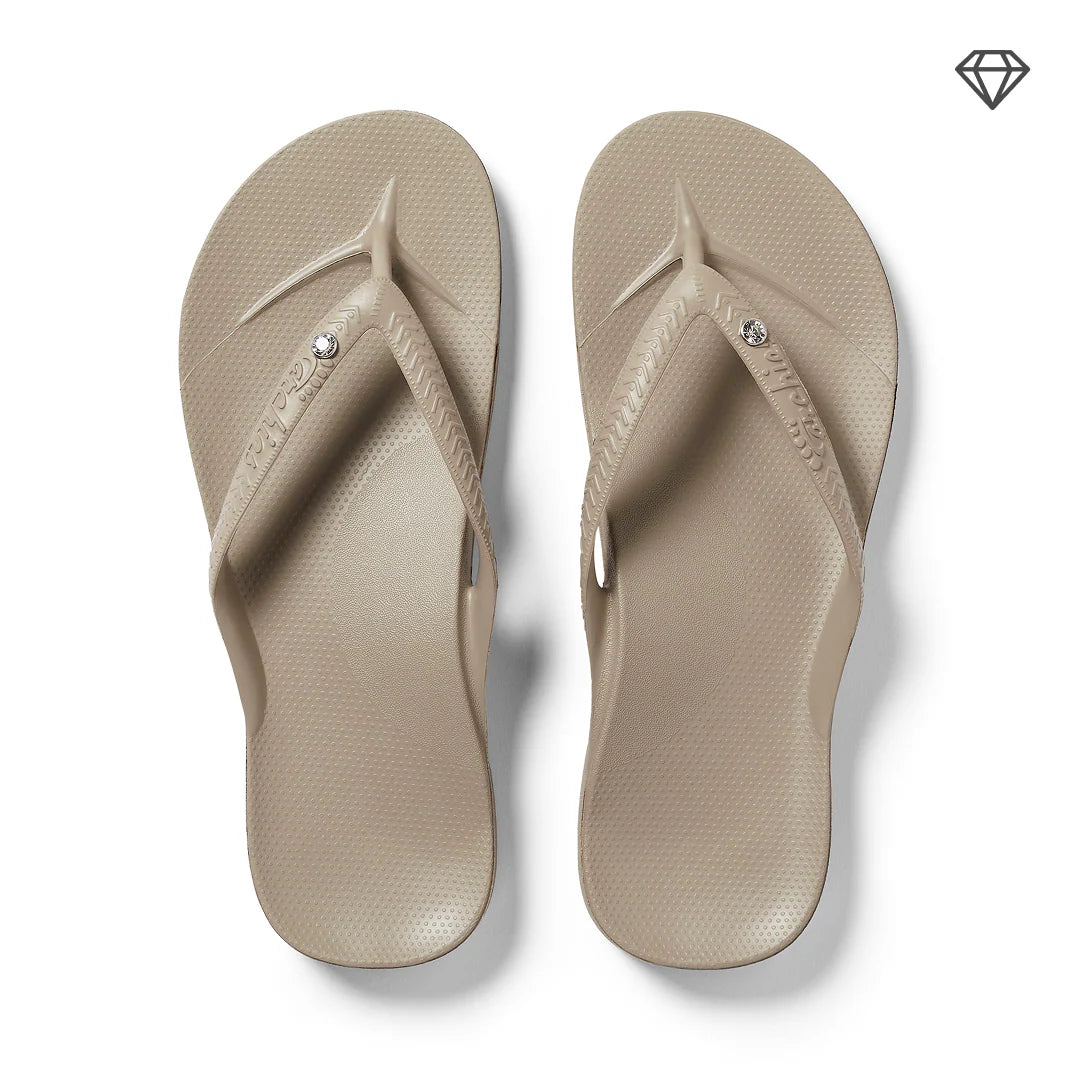
Toe socks work best with footwear that has a roomy toe box—like trail runners or hiking boots with a wide fit. Avoid tight, pointed shoes that will compress the toe pockets. For day hikes or short treks, you can also wear toe socks with supportive sandals or slides when you're taking a break from boots. For example, slipping into Arch Support Slides - Classic - Tan after a long hike gives your feet a chance to breathe while still supporting your arches.
Step-by-Step Blister Prevention Routine for Beginners
Step 1: Prep Your Feet
Start with clean, dry feet. Apply a thin layer of anti-blister balm or foot powder to reduce moisture. Trim your toenails straight across to prevent them from pressing into adjacent toes inside the sock pockets.
Step 2: Put on Toe Socks Correctly
Roll the sock down to the heel, then insert each toe into its pocket one at a time. Gently pull the sock up and adjust the toe pockets so they sit snugly without twisting. Smooth out any wrinkles around the heel and arch.
Step 3: Lace Your Boots Smartly
Use a heel-lock lacing technique to keep your foot from sliding forward on descents—this reduces toe-bashing and friction. Make sure your laces aren't too tight over the top of your foot, where they can impede circulation.
Step 4: Take Breaks and Re-Tighten
Every hour or so, remove your boots and socks for a few minutes. Let your feet air out, check for hot spots, and re-apply powder if needed. Re-tighten your socks and boots before continuing.
Caring for Your Performance Toe Socks
To keep your toe socks performing well, wash them after every hike. Turn them inside out to remove trapped dirt and sweat. Use cold water and mild detergent—avoid fabric softeners, which can clog the moisture-wicking fibers. Air dry flat, away from direct heat. If you own multiple pairs, rotate them so the elastic fibers have time to recover.
If you're also using performance crew socks for cooler weather hikes, you'll appreciate the same quality construction. For example, the Performance Crew Socks - Black offer similar moisture management and arch support, but with a traditional crew length that's great for higher-cut boots.
Common Mistakes Beginners Make with Toe Socks
- Wearing them with the wrong boots: Too-tight footwear negates the benefits of toe socks. Always try your boots on with the socks you plan to wear.
- Not breaking them in: Wear your toe socks around the house for a few hours before hitting the trail to ensure they feel comfortable.
- Neglecting foot hygiene: Dirty feet or socks increase bacterial growth and blister risk. Keep your feet clean and your socks fresh.
- Ignoring hot spots: If you feel a hot spot starting, stop and apply a blister patch immediately. Don't wait until it becomes a full blister.
When to Choose Toe Socks Over Regular Crew Socks
Toe socks excel on technical trails with lots of lateral movement, steep climbs, and descents—where toes tend to rub together. They're also a great choice for hikers with Morton's neuroma, bunions, or overlapping toes. For flat, well-groomed trails, regular crew socks with good arch support may suffice, but if you've ever suffered from blisters between your toes, switching to toe socks can be a game-changer.
Final Thoughts: Happy Feet, Better Hikes
Investing in quality performance toe socks is one of the cheapest and most effective upgrades you can make to your hiking gear. They protect your toes, reduce fatigue, and help you enjoy the trail without constant foot pain. Whether you're planning a day hike or a multi-day backpacking trip, start with proper foot care—and the right socks.
Ready to upgrade your hiking kit? Check out the Arch Support Flip Flops - Classic - Navy for a comfortable recovery option after your next adventure, and pair them with performance toe socks for the ultimate foot care routine.