Performance Socks vs. Compression Socks: Key Differences and When to Wear Each
By Archiesfootwearshop | Published: 2026-05-27
Category: Product Reviews
Confused between performance socks and compression socks? Discover the key differences, benefits, and best use cases for each, plus expert tips on pairing with arch support footwear from Archiesfootwearshop.
When it comes to foot health and athletic performance, socks are far more than an afterthought. Whether you're training for a marathon, recovering from a long day on your feet, or simply seeking all-day comfort, the choice between performance socks and compression socks can make a significant difference. In this comprehensive guide, we'll break down the key differences between these two popular sock types, explain when to wear each, and show you how to pair them with arch support footwear from Archiesfootwearshop for maximum benefit.
What Are Performance Socks?
Performance socks are designed primarily for athletic activity. They focus on moisture-wicking, cushioning, and durability to keep your feet dry and comfortable during exercise. Materials like merino wool, polyester, nylon, and spandex are common, providing breathability and a snug fit without being overly tight. Many performance socks also feature arch support bands or padded zones to reduce friction and impact.
For example, the Performance Crew Socks - Black from Archiesfootwearshop offer targeted cushioning in the heel and toe areas, plus a moisture-wicking fabric that helps prevent blisters during high-intensity workouts. They are ideal for running, gym sessions, hiking, and everyday active wear.
What Are Compression Socks?
Compression socks, on the other hand, are engineered to apply graduated pressure to the legs and feet. This pressure is strongest at the ankle and gradually decreases up the calf, promoting blood flow back toward the heart. They are commonly used for recovery, travel, and medical purposes—such as reducing swelling, preventing deep vein thrombosis (DVT), and managing conditions like varicose veins or edema.
Compression socks are typically tighter than performance socks and are not designed for high-intensity sports where maximum flexibility and breathability are required. They come in various pressure levels, from mild (8-15 mmHg) to firm (20-30 mmHg or higher), depending on the intended use.
Key Differences Between Performance Socks and Compression Socks
| Feature | Performance Socks | Compression Socks |
|---|---|---|
| Primary Purpose | Enhance athletic performance, reduce friction, manage moisture | Improve circulation, reduce swelling, aid recovery |
| Fit | Snug but flexible; not overly tight | Graduated compression; very tight at ankle, looser up the leg |
| Breathability | High (moisture-wicking fabrics) | Moderate (thicker materials for pressure) |
| Cushioning | Often padded in key areas | Minimal to none; focus is on compression |
| Best For | Running, gym, hiking, sports | Recovery, travel, standing jobs, medical conditions |
| Durability | High (reinforced heels/toes) | Moderate (thinner fabric in some areas) |
When to Wear Performance Socks
During Workouts and Sports
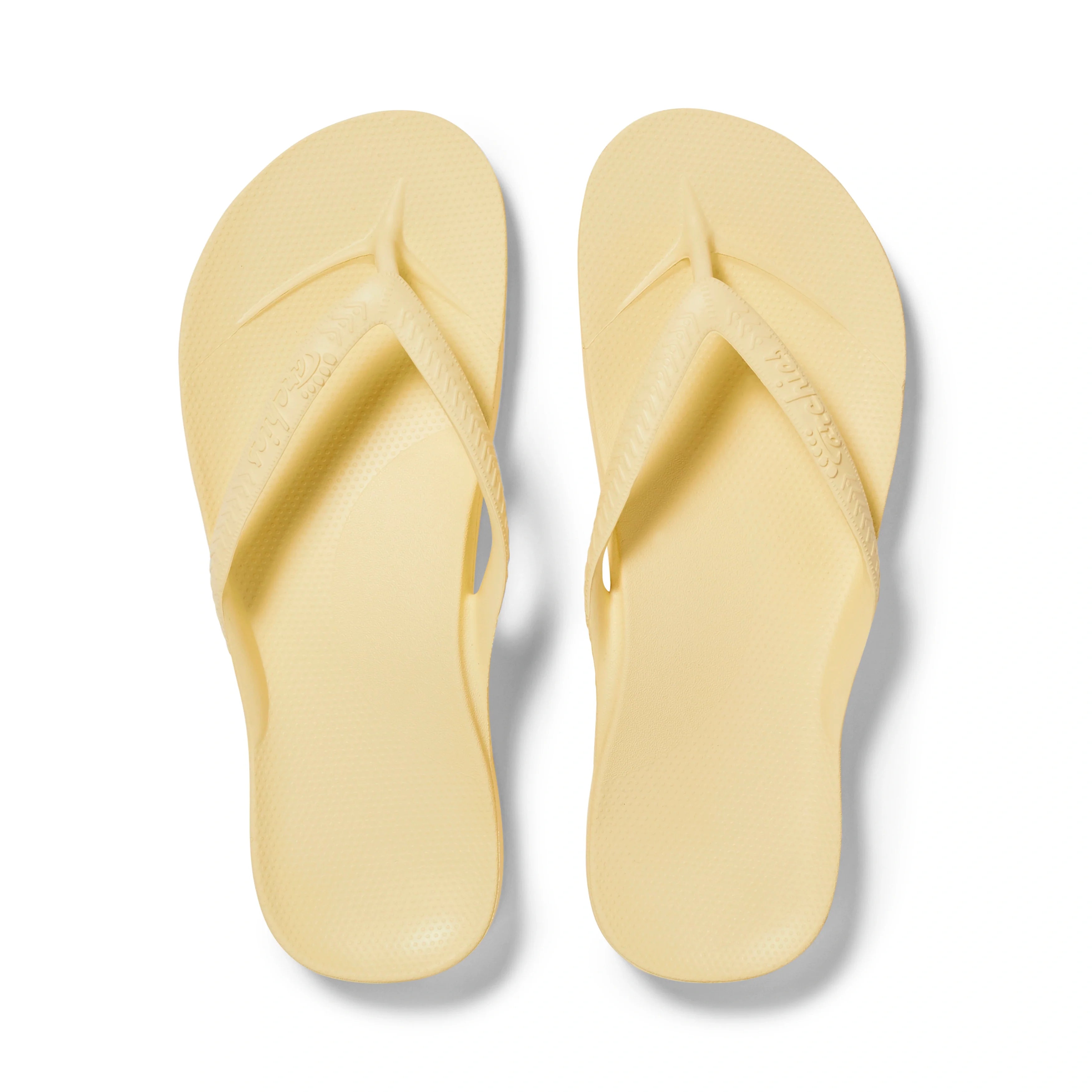
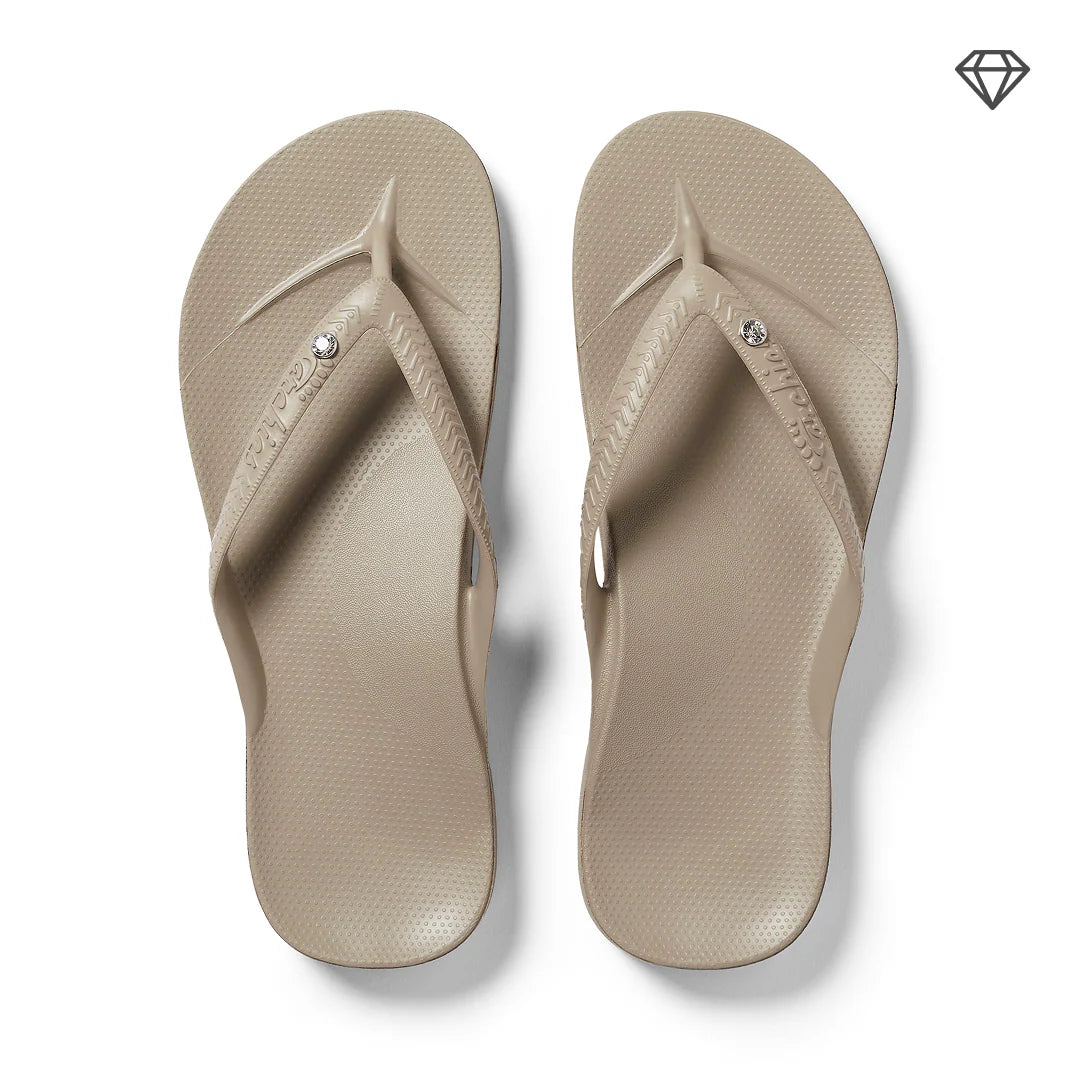
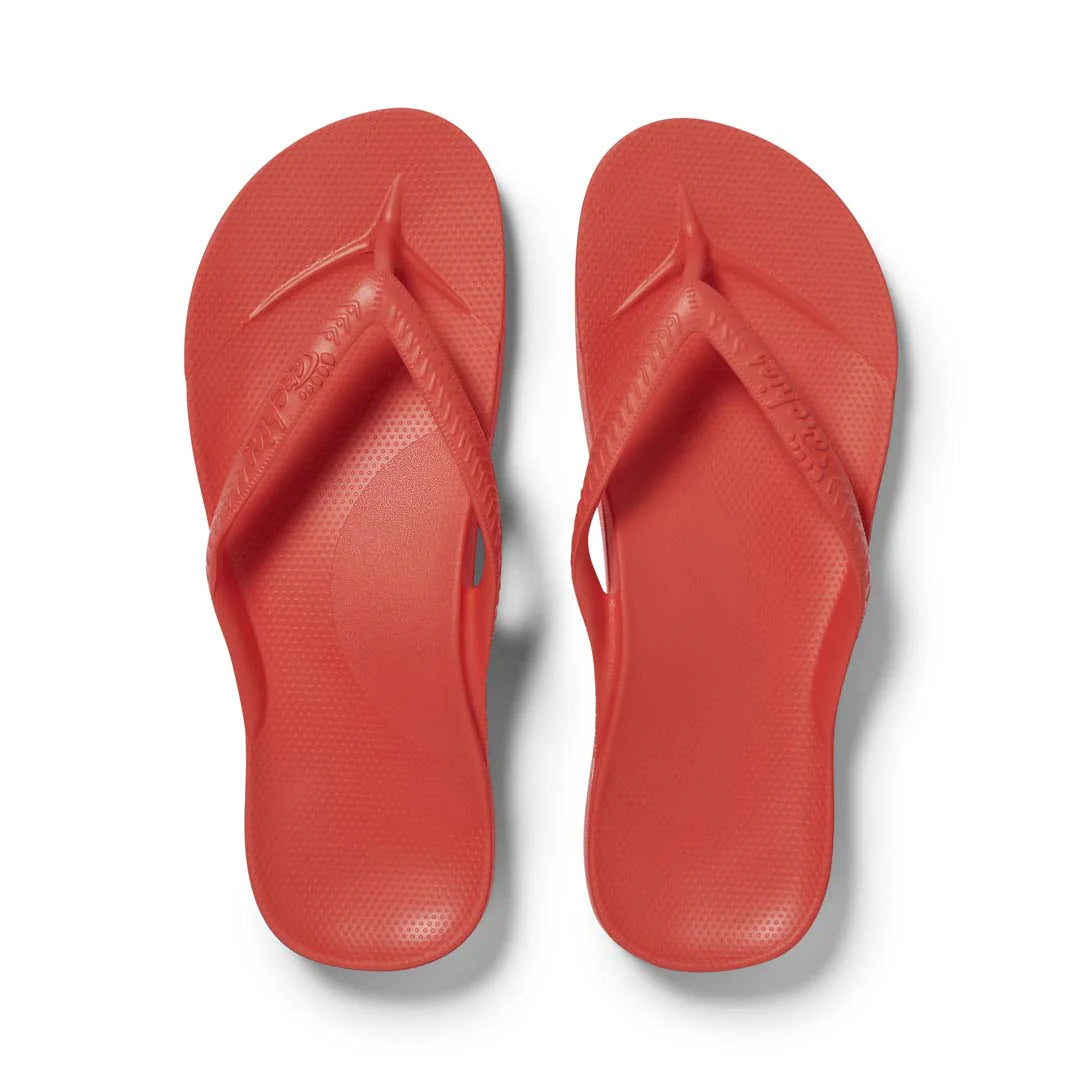
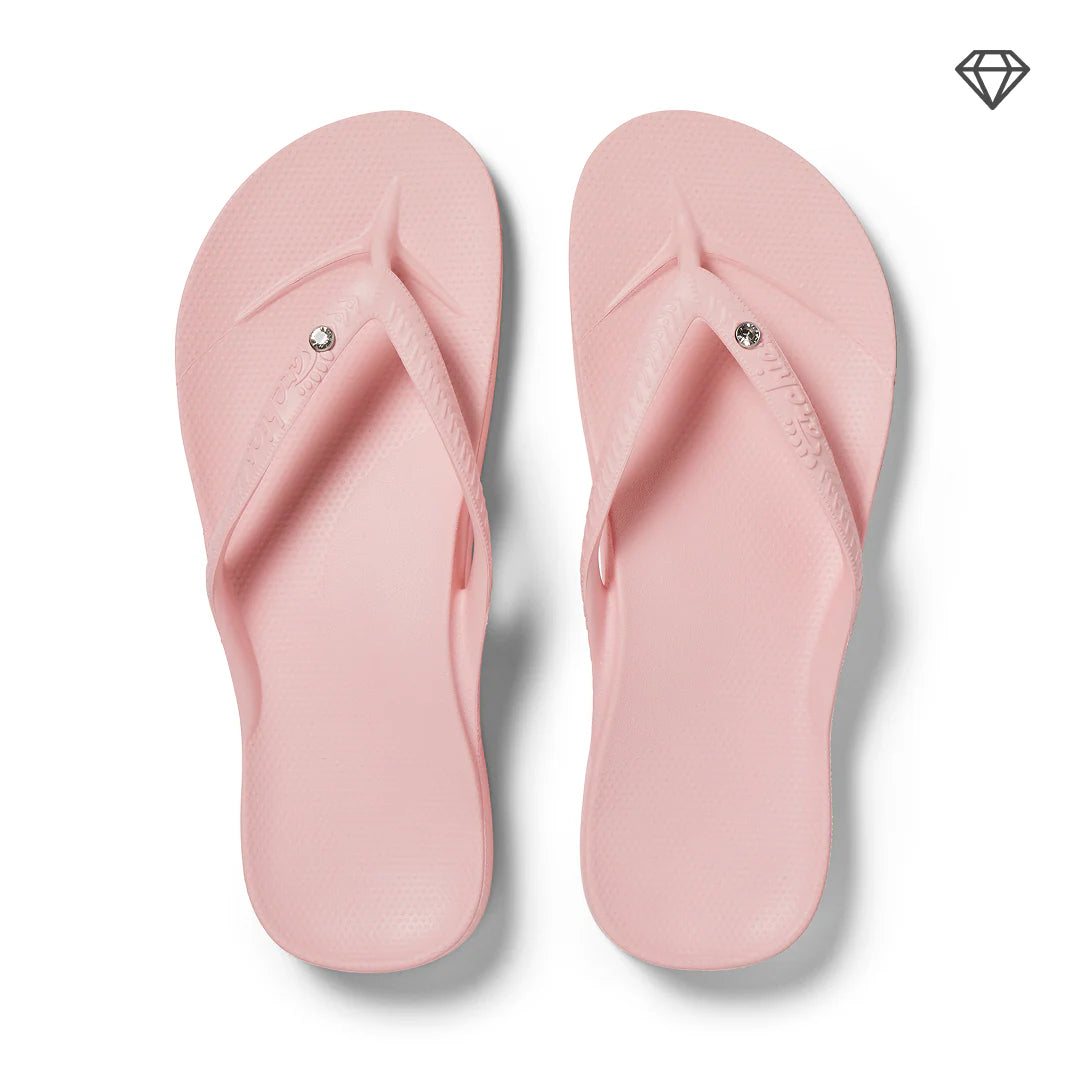
If you're heading to the gym, going for a run, or playing a sport, performance socks are your best bet. Their moisture-wicking properties keep feet dry, reducing the risk of blisters and fungal infections. The cushioning absorbs shock, protecting your feet from impact. Pair them with arch support footwear like the Arch Support Flip Flops - Classic - Charcoal for a comfortable post-workout recovery or casual wear.
For Hiking and Outdoor Activities
Hiking demands socks that can handle uneven terrain, moisture, and long hours. Performance socks with reinforced heels and toes provide the durability needed for rocky trails. They also wick sweat away, keeping your feet comfortable even when temperatures rise.
Everyday Active Wear
Even if you're not exercising intensely, performance socks are excellent for daily wear when you're on your feet a lot—walking, shopping, or doing chores. Their breathable fabric and cushioned footbed help prevent fatigue.
When to Wear Compression Socks
Post-Workout Recovery
After a strenuous workout, compression socks can help reduce muscle soreness and speed up recovery by enhancing blood flow. Wear them for a few hours after exercise or while resting at home.
Long Flights or Car Rides
Traveling for extended periods increases the risk of blood clots and leg swelling. Compression socks are highly recommended for flights over four hours or long road trips. They keep circulation moving and reduce discomfort.
Standing or Sitting All Day
Jobs that require prolonged standing or sitting—like nursing, teaching, or desk work—can lead to swollen ankles and leg fatigue. Compression socks provide relief by preventing fluid buildup and promoting venous return.
Medical Conditions
If you have varicose veins, edema, or a history of DVT, your doctor may recommend compression socks as part of your treatment plan. Always consult a healthcare professional for the appropriate pressure level.
Can You Wear Both? Combining Performance and Compression Benefits
Yes, you can wear both types of socks at different times of the day or combine them strategically. For example, you might wear Performance Toe Socks - White during your morning run for their moisture management and toe alignment benefits, then switch to compression socks in the afternoon for recovery. Some athletes even wear compression sleeves over performance socks for added benefits.
It's important to note that wearing compression socks during high-intensity exercise is not recommended, as the tight fit can restrict movement and reduce breathability. Save compression socks for recovery, travel, or low-impact activities.
How to Choose the Right Sock for Your Activity
Consider the following factors when deciding between performance and compression socks:
- Activity Level: High-intensity = performance socks; recovery/travel = compression socks.
- Duration: Short, intense bursts favor performance; long periods of inactivity favor compression.
- Foot Health Needs: If you have arch pain or plantar fasciitis, performance socks with arch support (like those from Archiesfootwearshop) can help. For circulation issues, compression is better.
- Climate: In hot weather, performance socks with moisture-wicking properties are more comfortable. Compression socks may feel warmer due to thicker material.
Pairing Socks with Arch Support Footwear
Regardless of the sock type you choose, pairing them with proper arch support footwear enhances comfort and foot health. Archiesfootwearshop offers a range of flip flops and slides designed with built-in arch support that complements the benefits of both performance and compression socks.
For instance, wearing Performance Crew Socks - Black with Archies' arch support flip flops provides a cushioned, supportive experience for all-day wear. Similarly, combining compression socks with arch support slides can accelerate recovery after a long day on your feet.
Conclusion: Your Feet Deserve the Right Sock
Understanding the differences between performance socks and compression socks empowers you to make smarter choices for your foot health and athletic performance. Performance socks excel in active scenarios where moisture management and cushioning are key, while compression socks shine during recovery, travel, and for those with circulation concerns. By selecting the right sock for the right occasion and pairing it with quality arch support footwear, you can keep your feet happy, healthy, and ready for anything.
Ready to elevate your sock game? Explore the Performance Crew Socks - Black and discover how the perfect sock can transform your daily comfort and performance. Your feet will thank you!