How to Determine Your Arch Type for the Perfect Footwear Fit: A Step-by-Step Guide
By Archiesfootwearshop | Published: 2026-06-02
Category: How-to Guides
Learn how to determine your foot arch type with simple home tests, understand flat feet vs. high arches, and choose the best footwear—including arch support flip flops and slides—for lasting comfort.
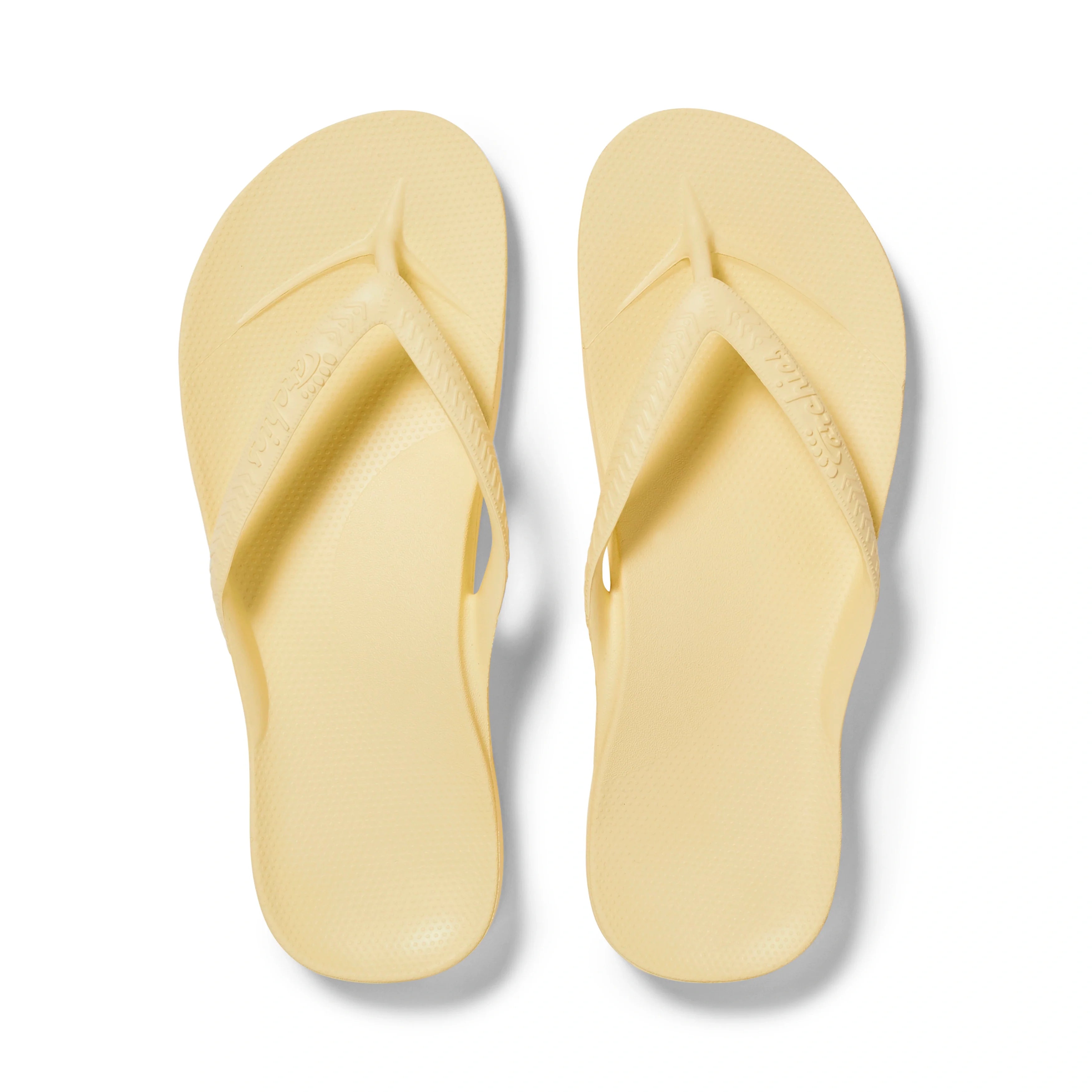
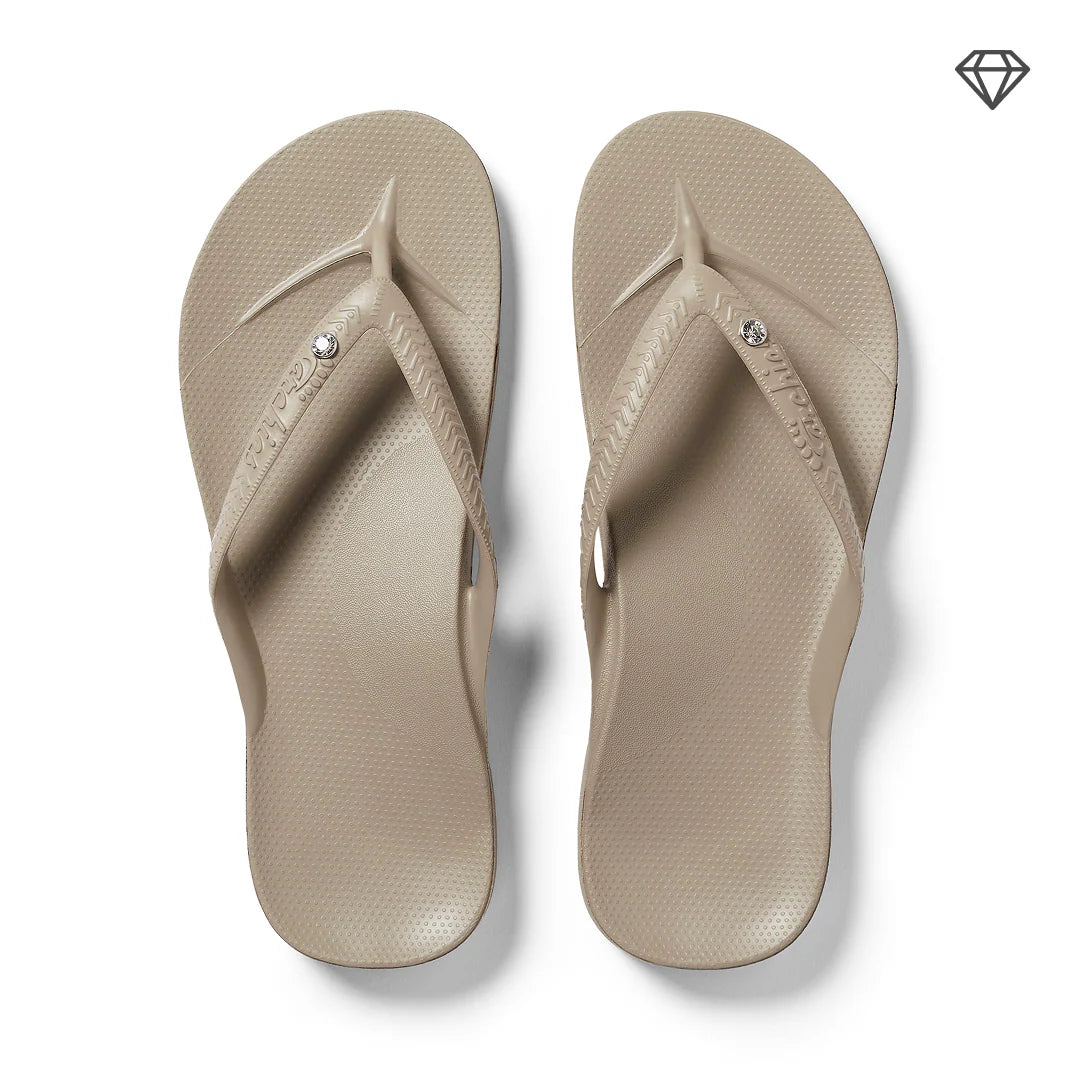
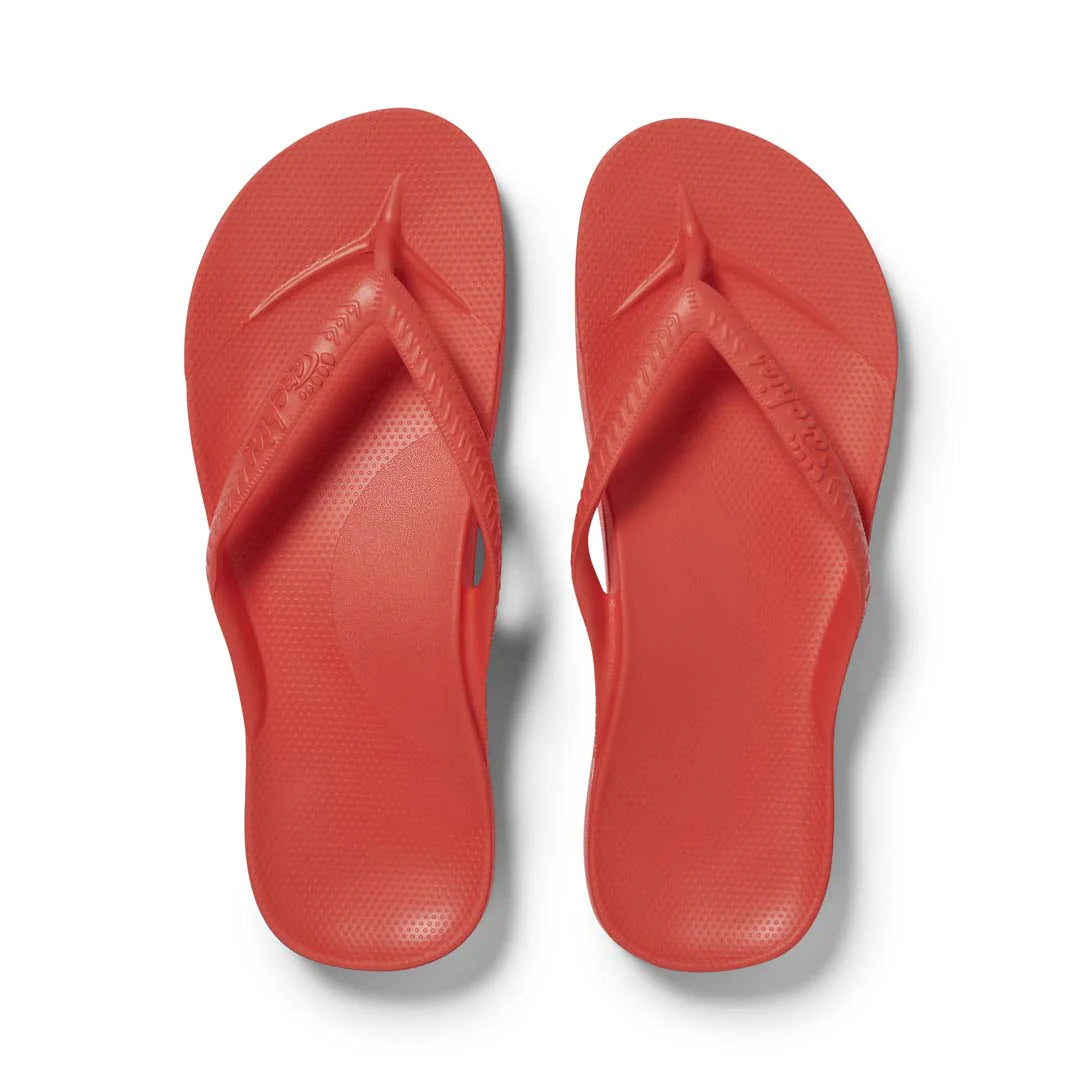
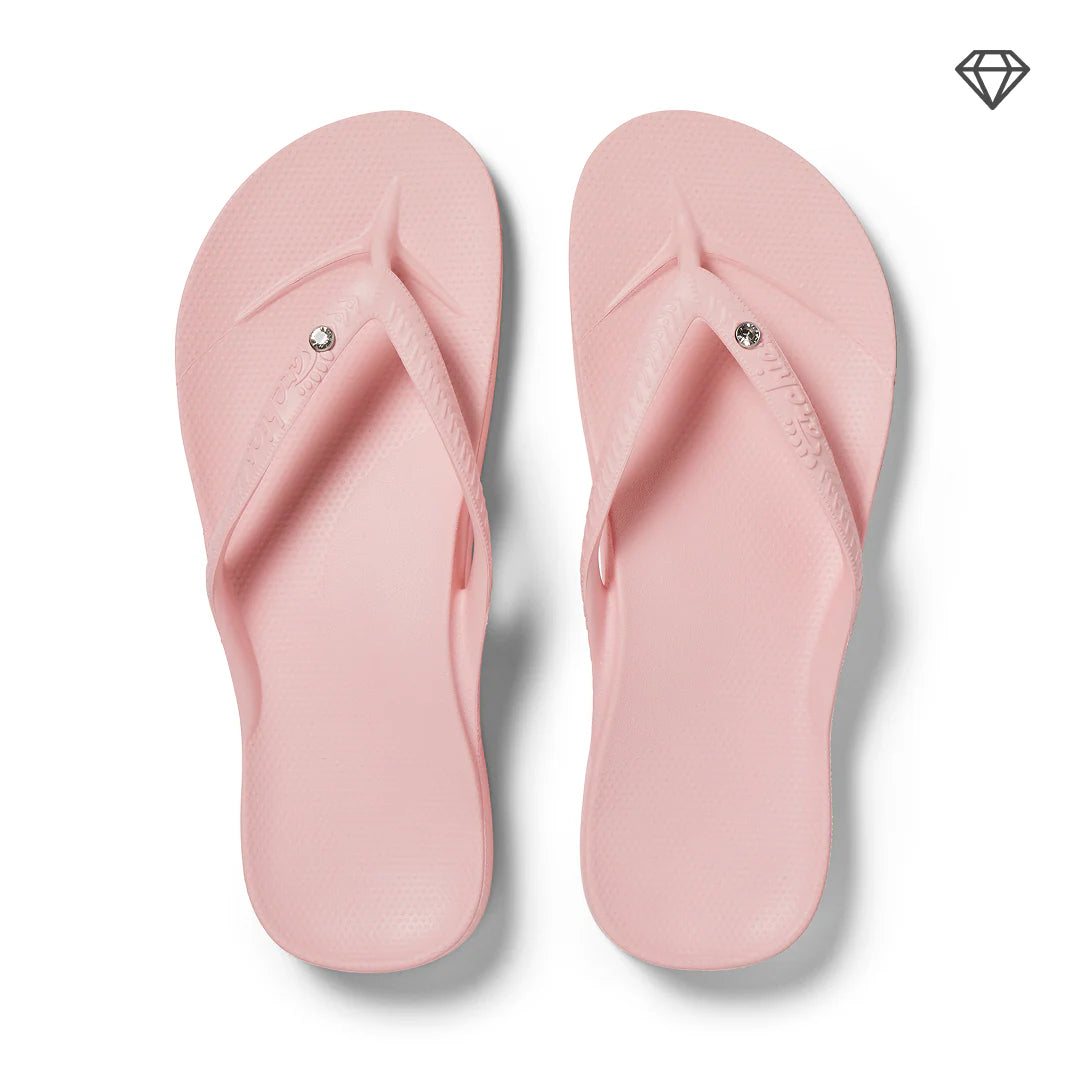
Understanding your foot arch type is the first step toward finding footwear that supports your body properly. Whether you have flat feet, neutral arches, or high arches, wearing the wrong shoes can lead to discomfort, fatigue, and even long-term issues like plantar fasciitis or knee pain. This guide will walk you through simple arch type tests you can do at home, explain what your results mean, and help you select the most supportive shoes—including Arch Support Flip Flops - Classic - Brown and other products from Archiesfootwearshop—to keep your feet happy and healthy.
Why Your Arch Type Matters for Footwear Fit
Your foot arch is the curved structure that runs from your heel to the ball of your foot. It acts as a natural shock absorber, distributing weight and impact as you walk, run, or stand. When your arch is too low (flat feet) or too high (high arches), your body compensates in ways that can cause pain and imbalance. Choosing footwear designed for your specific arch type provides the right support, reduces strain, and improves your overall posture. That’s why knowing your arch type is essential before investing in any shoe, especially sandals or slides you’ll wear for extended periods.
Simple Home Tests to Check Your Arch Type
You don’t need a podiatrist to figure out your arch type. Try these three easy tests using items you already have at home.
The Wet Foot Test
This is the most popular method. Lightly wet the bottom of your foot, then step onto a piece of brown paper, cardboard, or a dark-colored shopping bag. Step off and examine the imprint. A normal arch leaves a distinct curve on the inside of the foot, with the heel and forefoot connected by a band about half the width of the foot. A flat foot produces a nearly full imprint with little to no curve, while a high arch shows only a thin strip connecting heel and forefoot, sometimes with a gap in the middle. Take a photo of your print for reference.
The Finger Test
Sit down and cross one leg over the other. Slide your index finger under the inside curve of your bare foot. If your finger slides in easily up to the second knuckle, you likely have a neutral arch. If it won’t slide in at all, you have flat feet. If it slides in easily past the second knuckle, you have high arches. This test is quick but less precise than the wet foot method.
The Visual Check
Stand barefoot with your feet shoulder-width apart. Look at the inside of your foot in a mirror or ask someone to observe. A natural arch curves upward slightly. If your foot appears to touch the floor completely along the inner edge, you have flat feet. If there is a very high, pronounced curve, you have high arches. Combine this with the wet foot test for a reliable diagnosis.
Understanding Your Arch Type: Flat Feet, Neutral Arches, and High Arches
Once you’ve identified your arch type, here’s what it means for your footwear needs.
| Arch Type | Characteristics | Common Issues | Best Footwear Features |
|---|---|---|---|
| Flat feet (low arches) | Foot rolls inward (overpronation); entire sole contacts ground | Plantar fasciitis, shin splints, knee/hip pain | Motion control, firm arch support, sturdy heel counter |
| Neutral arches | Balanced gait; moderate curve | Few issues; may need general support | Moderate arch support, good cushioning |
| High arches | Foot rolls outward (underpronation); limited shock absorption | Stress fractures, heel pain, ankle instability | Extra cushioning, flexible sole, soft arch support |
Choosing the Right Footwear Based on Your Arch Type
Now that you know your arch type, you can shop smarter. For flat feet, look for shoes with rigid arch support and motion control. For high arches, prioritize cushioning and flexibility. Neutral arches can enjoy a wide range but still benefit from quality support. One of the best ways to address arch needs in warm weather is by wearing supportive sandals or slides. For example, the Arch Support Slides - Classic - Black are designed with contoured footbeds that cradle your arches, making them ideal for both flat feet and high arches depending on the model. Always try footwear with the same socks you plan to wear, and walk around to test the fit.
Common Mistakes to Avoid When Selecting Arch-Supportive Footwear
- Ignoring width: A supportive shoe that is too narrow can cause blisters and worsen arch pain. Measure both feet and buy for the larger one.
- Buying based on looks alone: Many stylish sandals lack proper support. Prioritize function over fashion, or find brands that combine both.
- Skipping the break-in period: Even the best arch support shoes need a short adaptation time. Wear them for a few hours daily before long walks.
- Neglecting socks: The right socks—like Performance Toe Socks - Black—can improve fit and reduce friction, especially for active use.
Additional Tips for Maintaining Foot Health
Beyond choosing the right footwear, incorporate simple habits to keep your feet strong. Stretch your calves and arches daily, especially if you stand for long hours. Use a foam roller or massage ball to release tension in the plantar fascia. Replace worn-out shoes every 6-12 months, as broken-down support can lead to injury. Finally, consider alternating between different supportive styles—like flip flops for casual errands and slides for longer walks—to vary pressure points on your feet.
Frequently Asked Questions About Arch Types
Can my arch type change over time?
Yes, arch height can change due to aging, injury, weight fluctuations, or pregnancy. It’s a good idea to retest your arches annually or after any major physical change.
Do I need arch support if I have neutral arches?
Neutral arches still benefit from moderate support to prevent overpronation or underpronation, especially during high-impact activities like running. Cushioned sandals with a slight contour are a great choice.
Can arch support fix flat feet permanently?
Arch support doesn’t “cure” flat feet, but it can alleviate symptoms and improve biomechanics. Consistent use of supportive footwear, combined with strengthening exercises, can reduce discomfort significantly.
Take the Next Step Toward Comfortable Feet
Knowing your arch type is a powerful tool that empowers you to choose footwear that works with your body, not against it. A simple wet foot test takes only a minute but can save you months of foot pain. Once you’ve identified your needs, explore options like the Arch Support Slides - Classic - Taupe for a versatile everyday option that pairs style with targeted arch support. Your feet carry you every day—give them the support they deserve.