How to Choose the Right Performance Socks for Your Sport: A Complete Guide
By Archiesfootwearshop | Published: 2026-06-03
Category: How-to Guides
Learn how to choose performance socks for your sport with this complete guide. Compare toe socks vs crew socks, discover the best socks for athletic performance, and find expert tips for every activity.
When it comes to athletic performance, most athletes focus on shoes, hydration, and training plans. But there's one piece of gear that often gets overlooked: your socks. The right pair of performance socks can make a dramatic difference in comfort, blister prevention, moisture management, and even injury reduction. Whether you're a runner, a basketball player, a cyclist, or a weekend warrior, choosing the right socks for your sport is essential. In this complete guide, we'll walk you through everything you need to know to choose performance socks that match your activity, your feet, and your goals.
Why Performance Socks Matter for Athletic Performance
Your feet endure tremendous stress during exercise. Each foot contains 26 bones, 33 joints, and over 100 muscles, tendons, and ligaments. When you run, your feet strike the ground with a force of up to three times your body weight. Without proper cushioning and support, you risk blisters, hot spots, calluses, and even more serious issues like plantar fasciitis or Achilles tendinitis.
Performance socks are engineered specifically to address these challenges. Unlike standard cotton socks, which absorb moisture and become heavy and abrasive, performance socks use synthetic blends (like polyester, nylon, spandex, and merino wool) to wick sweat away, reduce friction, and provide targeted cushioning. This is why finding the best socks for athletic performance is a smart investment for any athlete.
Key Factors to Consider When Choosing Performance Socks
Before diving into sport-specific recommendations, let's look at the universal factors that matter for all athletic socks.
Material
The fabric of your socks determines how they handle moisture, temperature, and durability. Here are the most common materials used in performance socks:
- Merino Wool – Naturally moisture-wicking, odor-resistant, and temperature-regulating. Excellent for cold-weather sports like hiking, skiing, and winter running.
- Polyester / Nylon – Lightweight, quick-drying, and durable. Great for high-intensity sports like basketball, tennis, and gym workouts.
- Spandex / Elastane – Adds stretch and helps the sock stay in place. Essential for a snug, non-slip fit.
- Cotton – Avoid for sports. Cotton absorbs sweat, stays wet, and causes blisters.
Cushioning and Padding
Different sports demand different levels of cushioning. Running, for instance, benefits from extra padding in the heel and forefoot to absorb impact. For sports like cycling or weightlifting, minimal cushioning is preferred to maintain a close connection with the pedal or floor. Consider whether you need light, medium, or heavy cushioning based on your activity.
Height and Style
Sock height affects coverage, protection, and style. Common options include:
- No-Show / Invisible – Barely visible above the shoe; popular for casual wear and low-cut sneakers.
- Ankle – Slightly higher than no-show, offering more protection.
- Crew – Mid-calf height; the standard for running, hiking, and many team sports. For example, the Performance Crew Socks - White provide excellent support and moisture management for a variety of activities.
- Knee-High – Used in soccer, football, and some hiking boots for maximum coverage.
Compression
Compression socks apply graduated pressure to improve blood flow, reduce muscle oscillation, and speed recovery. They are especially popular among runners, cyclists, and travelers. However, not all sports benefit from high compression; for explosive sports like sprinting, moderate compression is better.
Toe Socks vs Crew Socks: Which Is Right for Your Sport?
One of the biggest debates in performance socks is between traditional crew socks and toe socks. Toe socks have individual pockets for each toe, similar to gloves for your feet. They offer unique benefits but aren't for everyone.
Benefits of Toe Socks
- Allow toes to spread naturally, improving balance and stability.
- Reduce friction between toes, preventing blisters and calluses.
- Ideal for sports that require lateral movement (e.g., basketball, tennis, CrossFit).
- Great for people with toe deformities (e.g., bunions, hammertoes).
Benefits of Crew Socks
- More common and widely available.
- Better cushioning for heel and forefoot impact.
- Easier to put on and take off.
- Preferred for high-impact sports like running and hiking.
For long-distance running, most athletes still favor crew socks due to their superior cushioning and moisture management. If you're a runner, the Performance Crew Socks - White are a solid choice. For athletes who do a lot of lateral cutting and toe splaying (like basketball or rock climbing), toe socks can provide a competitive edge.
Sport-by-Sport Guide to Choosing Performance Socks
Here's a breakdown of the best socks for athletic performance based on the most common sports.
Running
Running puts high impact on your feet. Look for socks with:
- Moisture-wicking fabric (merino wool or synthetic blend)
- Light to medium cushioning in heel and forefoot
- Arch support to reduce fatigue
- Breathable mesh panels for ventilation
- Crew or ankle height
Top pick: Crew socks with targeted cushioning and a snug fit. Avoid cotton at all costs.
Cycling
Cyclists need thin, low-profile socks to fit inside cycling shoes. Prioritize:
- No-show or ankle height
- Minimal cushioning (closer to the pedal)
- High breathability (cycling shoes can get hot)
- Merino wool or synthetic for moisture wicking
Top pick: Thin ankle socks with a snug heel and toe box.
Basketball
Basketball involves jumping, lateral cuts, and quick stops. Socks must provide:
- Medium to heavy cushioning (especially in the heel and forefoot)
- Crew height for shin protection
- Compression zones to reduce muscle fatigue
- Seamless toe closure to prevent blisters
Top pick: High-cushion crew socks with arch support and moisture-wicking fabric.
Hiking
Hiking demands durability, warmth, and blister prevention. Choose:
- Heavy cushioning (especially for backpacking)
- Merino wool for temperature regulation and odor control
- Knee-high or crew height (to protect from boots and debris)
- Reinforced heel and toe areas
Top pick: Merino wool crew socks with thick padding and a snug fit.
Gym / CrossFit
CrossFit combines weightlifting, cardio, and gymnastics. Socks should offer:
- Medium cushioning for impact
- Compression for stability during lifts
- Breathability for intense sweat sessions
- Ankle or crew height (depending on shoe type)
Top pick: Compression crew socks with moisture-wicking fabric and arch support.
How to Match Socks with Your Shoes
Your socks and shoes work together as a system. Here are a few quick tips:
- Running shoes – Use crew socks with light to medium cushioning. Avoid thick socks that make the shoe too tight.
- Basketball shoes – High-top shoes pair well with crew socks for ankle protection.
- Cycling shoes – Ultra-thin, no-show socks fit snugly inside stiff soles.
- Hiking boots – Use thick wool crew socks; ensure boots are sized to accommodate them.
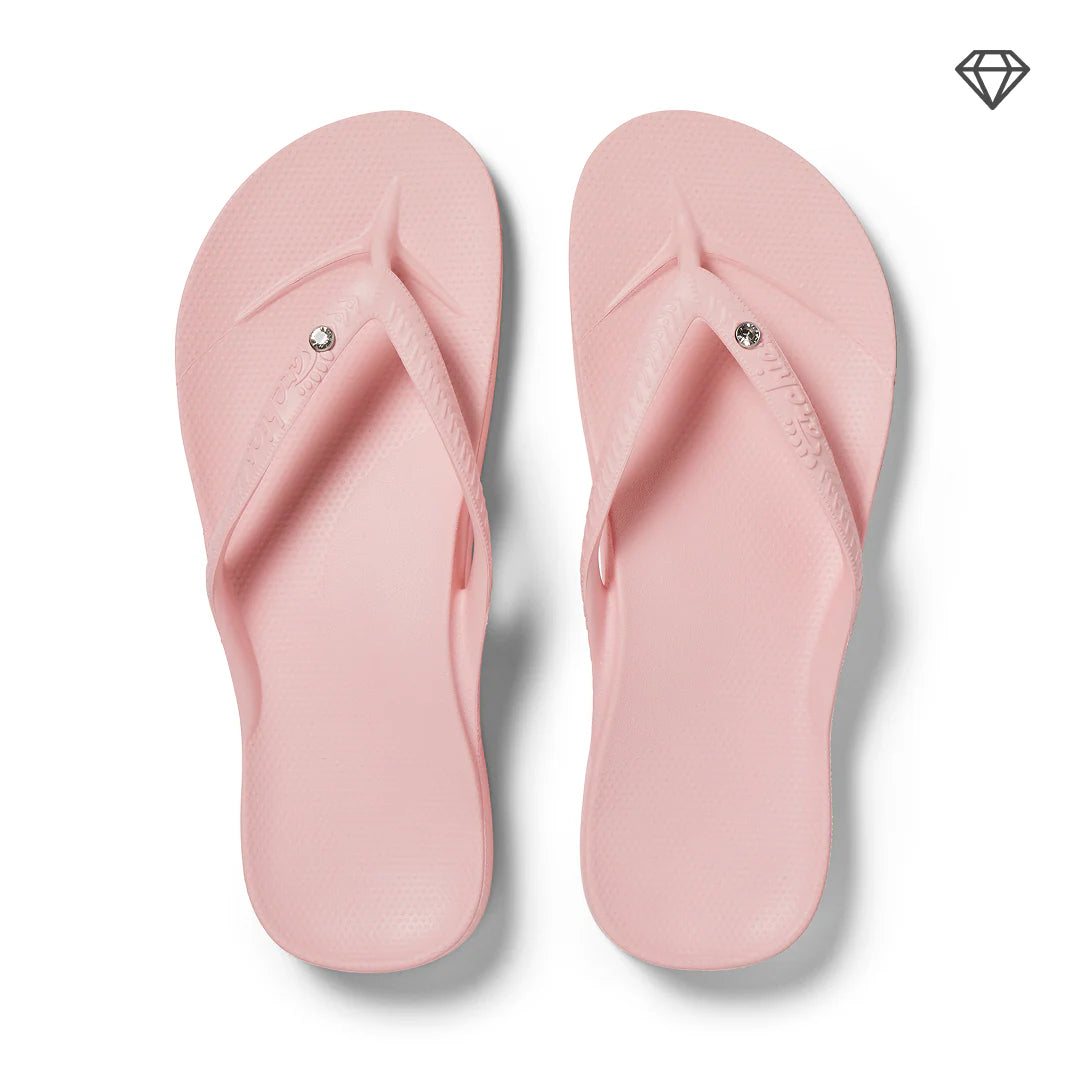
If you wear arch support footwear like the Arch Support Flip Flops - Classic - Hot Pink for recovery or casual wear, you may want to pair them with no-show socks or go sockless. But for active sports, always wear proper performance socks.
Common Mistakes to Avoid
Even experienced athletes make mistakes when choosing socks. Avoid these pitfalls:
- Wearing cotton socks – They absorb sweat, cause blisters, and lose shape.
- Choosing the wrong size – Socks that are too small constrict toes; too large bunch up and cause friction.
- Ignoring arch support – Socks with built-in arch support reduce foot fatigue and improve stability.
- Buying only one type – Different sports require different sock features. Invest in a versatile collection.
- Neglecting care – Wash performance socks inside out in cold water and air dry to maintain elasticity and moisture-wicking properties.
How to Test If Your Socks Are Right for You
Before committing to a long run or intense game, test your socks in a short practice session. Look for these signs:
- No slipping – The sock should stay in place without bunching.
- No hot spots – Feel for any areas of excessive friction.
- Dry feet – After 30 minutes, your feet should still feel dry.
- Comfortable compression – The sock should feel snug but not tight.
If you experience any discomfort, try a different material, height, or cushioning level. The best socks for athletic performance are the ones that make you forget you're wearing them.
Conclusion: Invest in the Right Socks for Your Sport
Choosing the right performance socks is not an afterthought—it's a crucial part of your athletic gear. By considering material, cushioning, height, and compression, you can enhance your comfort, prevent injuries, and improve your overall performance. Whether you prefer the individual toe freedom of toe socks or the classic cushioning of crew socks, make sure you pick socks that align with your sport's demands.
Ready to upgrade your sock drawer? Explore our collection of Performance Crew Socks - White and experience the difference that proper socks can make in your next workout or race.