The History of Arch Support in Footwear: From Ancient Sandals to Modern Flip Flops
By Archiesfootwearshop | Published: 2026-05-28
Category: Industry News
Explore the fascinating evolution of arch support in footwear, from ancient Egyptian sandals to today’s high-tech flip flops, and discover key innovations that shaped foot health.
Arch support is a cornerstone of modern foot health, but its journey from ancient necessity to contemporary comfort technology is a story spanning thousands of years. While today we take for granted the cushioned curves in our sandals and slides, the concept of supporting the foot’s natural arch has deep roots in human history. In this article, we explore the history of arch support in footwear, tracing the evolution of flip flops and other sandals from simple protective soles to sophisticated orthopedic tools. Understanding this timeline not only enriches our appreciation for modern design but also helps us make informed choices for our feet—like why a pair of Arch Support Flip Flops - Classic - Black can be a game-changer for daily comfort.
Ancient Beginnings: The First Sandals and Arch Support
The earliest known sandals date back over 8,000 years to the prehistoric period, found in caves in the American Southwest and also in ancient Egypt. These early designs were primarily functional—protecting the soles of the feet from hot sand, sharp rocks, and rough terrain. However, they offered little to no deliberate arch support. The ancient Egyptians, for instance, crafted sandals from papyrus and palm leaves, but these were flat and flexible, leaving the foot’s arch largely unsupported. Similarly, the Greeks and Romans developed more durable sandals using leather and wood, yet the focus remained on protection rather than ergonomic support.
It is worth noting that many ancient populations walked barefoot or on natural surfaces, which naturally strengthened the foot’s intrinsic muscles and arches. The shift to structured footwear only began when civilizations started walking on hard, man-made surfaces like cobblestones and tiles. This transition created a need for more supportive designs, though true arch support as we know it wouldn’t emerge for centuries.
The Middle Ages to the Industrial Revolution: A Shift in Footwear Philosophy
During the Middle Ages, footwear became more about fashion and status than foot health. Pointed shoes and elevated heels gained popularity among the elite, often at the expense of comfort and alignment. Arch support was virtually nonexistent. It wasn’t until the 19th century, with the rise of the Industrial Revolution and the spread of paved roads, that orthopedic considerations began to influence shoe design. Doctors and shoemakers started to recognize the link between foot pain and inadequate support, leading to the first rudimentary arch supports—often metal or leather inserts sewn into boots and shoes.
This period also saw the birth of the modern sandal. In the late 1800s, sandals were reintroduced as health footwear by advocates like Dr. Heinrich Schliemann, who promoted open-toe designs for better foot circulation. However, these early sandals still lacked the contoured footbeds we associate with arch support today.
The 20th Century: The Birth of Modern Arch Support Footwear
The real revolution in arch support footwear history began in the early 1900s with the invention of the first specialized arch support devices. In 1908, Dr. William Scholl, a pioneering podiatrist, introduced the first commercially available arch support, the "Foot-Eazer," which was a metal plate designed to be inserted into shoes. This innovation laid the groundwork for decades of research into foot biomechanics.
By the mid-20th century, manufacturers began incorporating arch support directly into sandals and flip flops. The 1950s and 60s saw the rise of rubber flip flops—popularized by returning World War II soldiers who brought Japanese zori sandals home. These early flip flops were still flat, but they sparked a global trend. In the 1970s, the health and fitness movement spurred demand for more supportive casual footwear. Companies like Birkenstock introduced contoured cork footbeds that cradled the arch, and soon, arch support became a selling point for sandals and slides.
Today, brands like Archiesfootwearshop have refined this legacy, offering modern versions of classic designs. For example, the Arch Support Slides - Classic - Tan combine decades of knowledge with premium materials to deliver both style and therapeutic support.
The Evolution of Flip Flops: From Beachwear to Everyday Orthopedic Wear
Flip flops have undergone a remarkable transformation over the past century. Originally associated with beaches and casual summer wear, they were often criticized by podiatrists for their lack of support. The evolution of flip flops into supportive footwear is a key chapter in the history of arch support. In the 1990s, brands began experimenting with molded EVA foam and memory foam inserts to add cushioning and arch contours. The 2000s saw the introduction of deep heel cups and metatarsal pads, which improved stability and reduced strain on the plantar fascia.
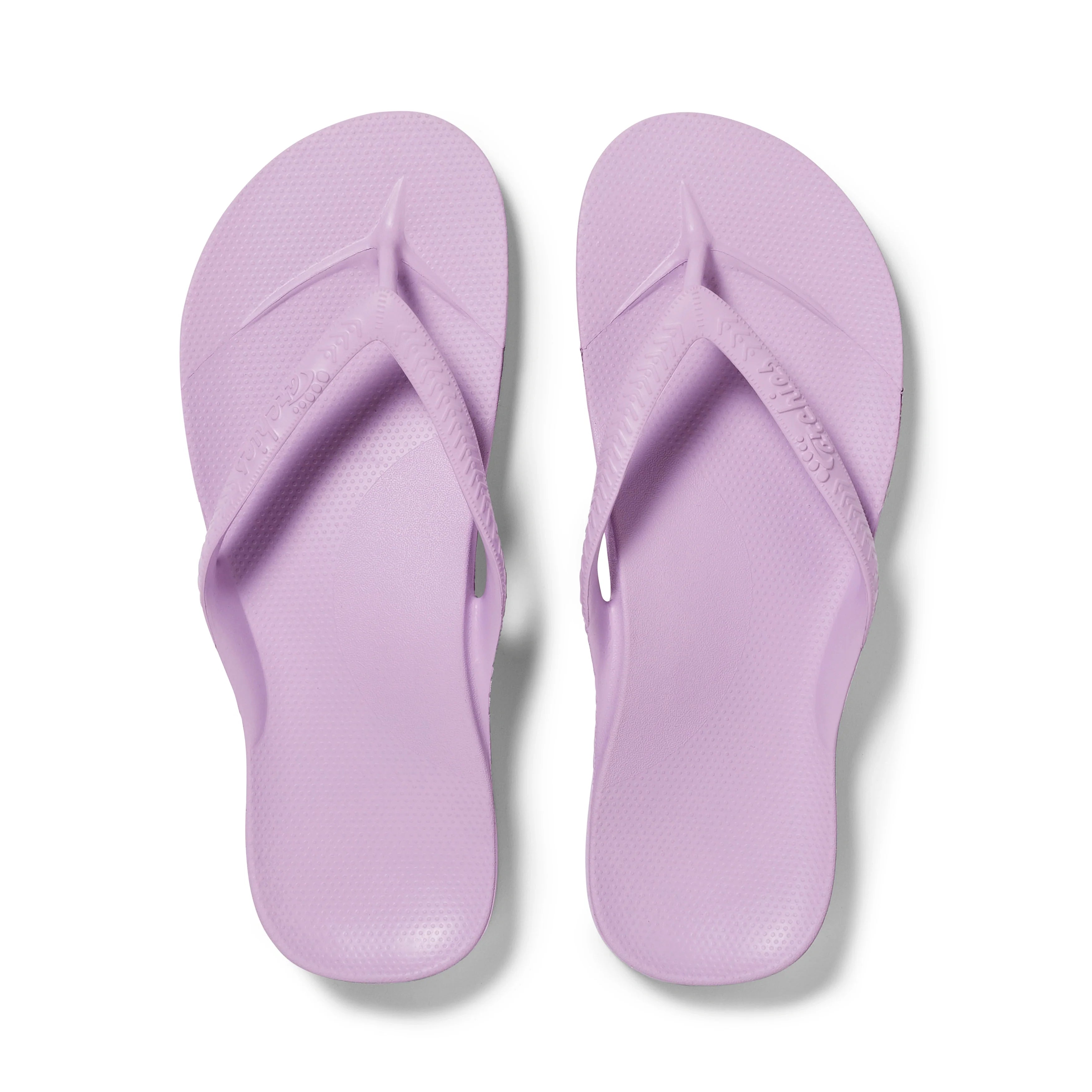
Now, arch support flip flops are widely recommended for conditions like plantar fasciitis and flat feet. The Arch Support Flip Flops - Classic - Mint exemplify this evolution, offering a biomechanically designed footbed that promotes natural alignment while maintaining the lightweight, open-toe feel of traditional flip flops.
Technological Milestones in Arch Support Design
Several key technologies have shaped modern arch support footwear:
- Orthotic-grade EVA foam: Provides lightweight, shock-absorbing cushioning that molds to the foot’s arch over time.
- Deep heel cups: Stabilize the heel and reduce pronation, a common cause of arch strain.
- Arch contours with variable density: Firmer material under the arch offers targeted support, while softer foam cushions the heel and forefoot.
- Memory foam and breathable liners: Enhance comfort and moisture management for all-day wear.
- Slip-resistant outsoles: Improve safety without compromising flexibility, making modern flip flops suitable for walking and light hiking.
These innovations are not just for flip flops. Slides and sandals have also benefited, with designs like the Arch Support Slides - Classic - Black incorporating these features for a versatile, everyday option.
Cultural and Economic Factors Driving Arch Support Adoption
The growing awareness of foot health has been fueled by an aging population, rising rates of diabetes (which affects foot sensation), and the popularity of active lifestyles. Social media and health blogs have also educated consumers about the importance of proper footwear. This cultural shift has made arch support a priority even in casual sandals, moving it from a niche medical product to a mainstream necessity. The global market for orthopedic footwear is projected to grow significantly, with flip flops and slides representing a major segment.
Interestingly, the history of arch support also reflects changing attitudes toward comfort. In the past, fashion often trumped function, but today’s consumers demand both. Brands like Archiesfootwearshop are at the forefront, creating products that marry aesthetic appeal with evidence-based design.
Common Myths About Arch Support in Flip Flops and Slides
Despite the progress, misconceptions persist. Let’s debunk a few:
- Myth: All flip flops are bad for your feet. Truth: Modern arch support flip flops, like the Arch Support Flip Flops - Classic - White, are designed to reduce pain and improve posture.
- Myth: Arch support is only for people with flat feet. Truth: Everyone benefits from proper support, as it helps distribute pressure evenly and prevents fatigue.
- Myth: Slides offer no support. Truth: Today’s slides, such as Arch Support Slides, include deep heel cups and reinforced arches.
Conclusion: The Future of Arch Support Footwear
As we look ahead, the future of arch support in footwear promises even greater personalization. Advances in 3D printing and biomechanical analysis may allow for custom-molded sandals and flip flops tailored to an individual’s exact foot shape. Sustainability is also a driving force, with brands exploring eco-friendly materials like recycled EVA and natural rubber. The history of arch support is a testament to human ingenuity—what began as a simple leather sole has evolved into a sophisticated tool for health and comfort.
Whether you’re a history enthusiast or simply looking for relief from foot pain, the journey of arch support footwear offers valuable insights. Next time you slip on a pair of arch support flip flops, you’ll know you’re stepping into thousands of years of innovation.
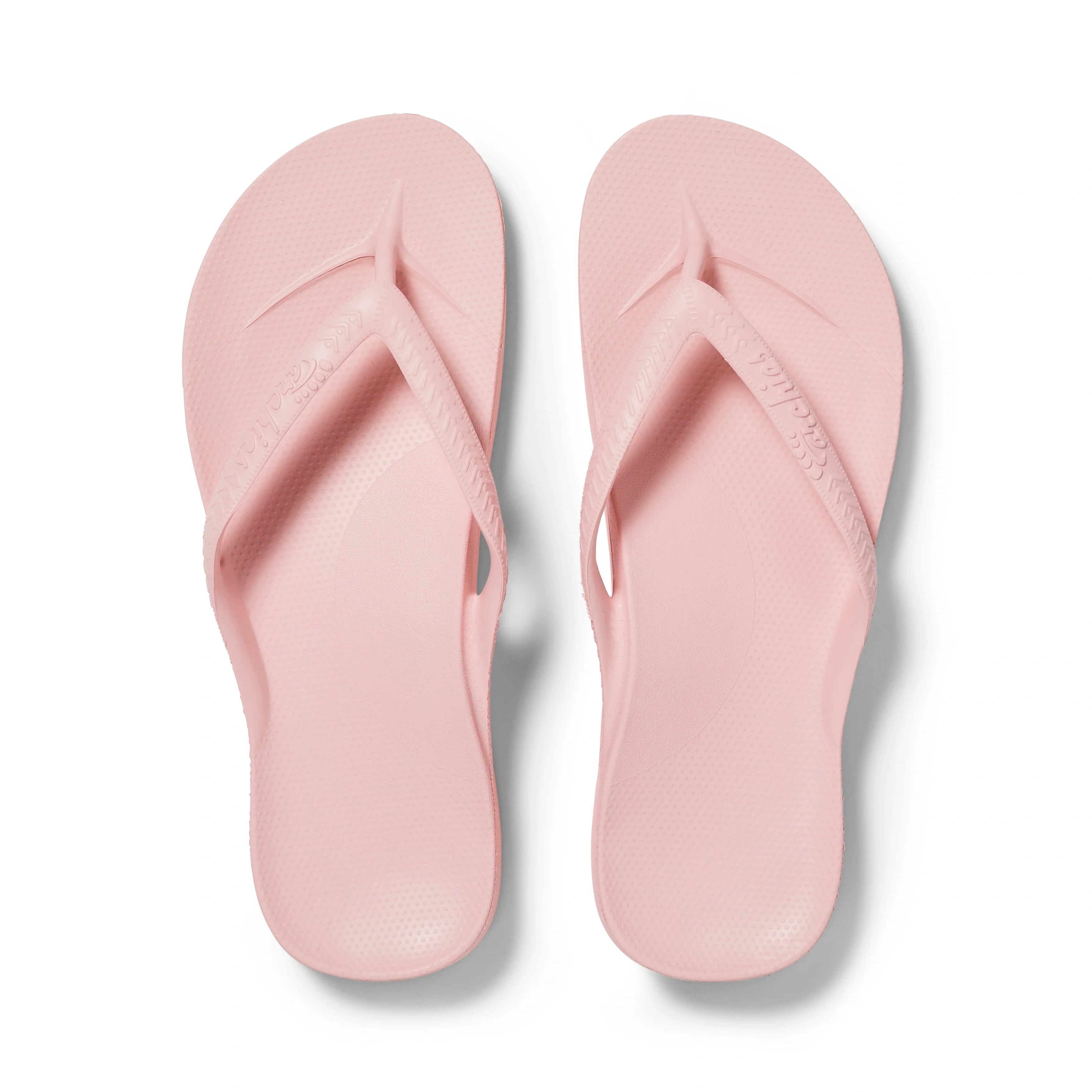
Ready to experience the benefits of modern arch support for yourself? Explore our collection of Arch Support Flip Flops - Classic - Peach and discover the perfect blend of style, comfort, and foot health.